
"Enough with the petty hatred and
the thirst for revenge!
Long live the new people and Gianni Schicchi!"
— excerpt from the opera of Puccini: Gianni Schicchi
About the Play
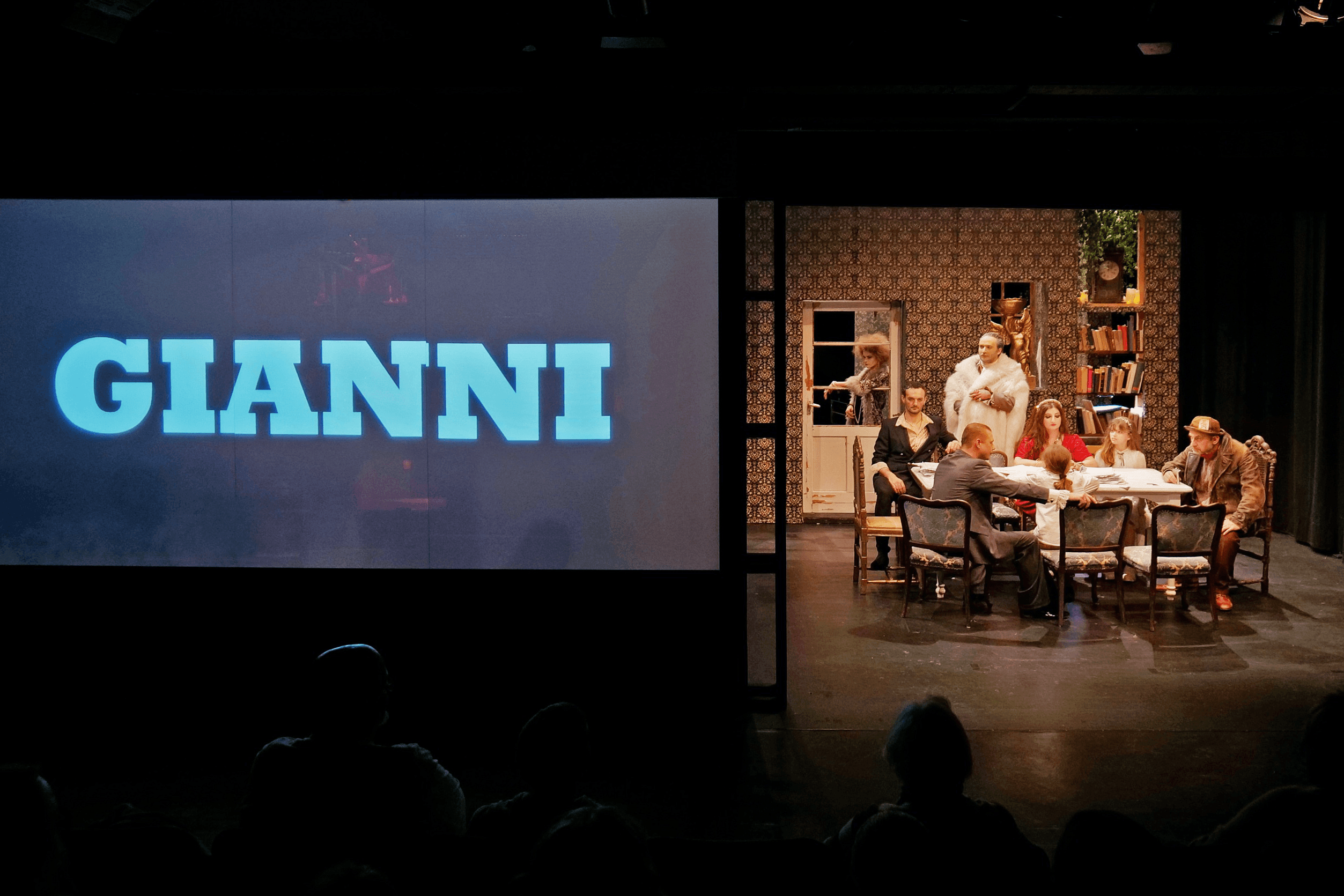
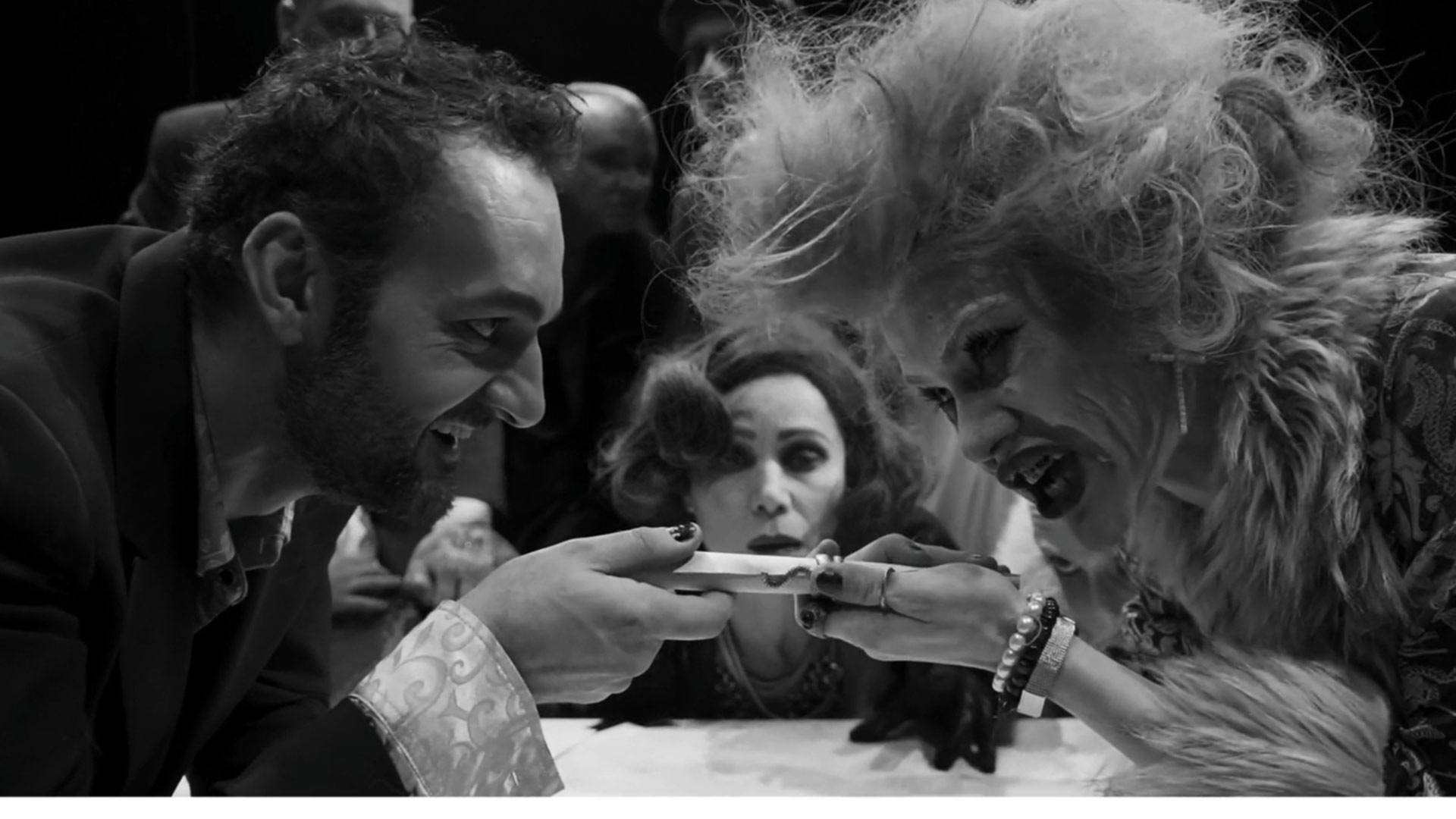
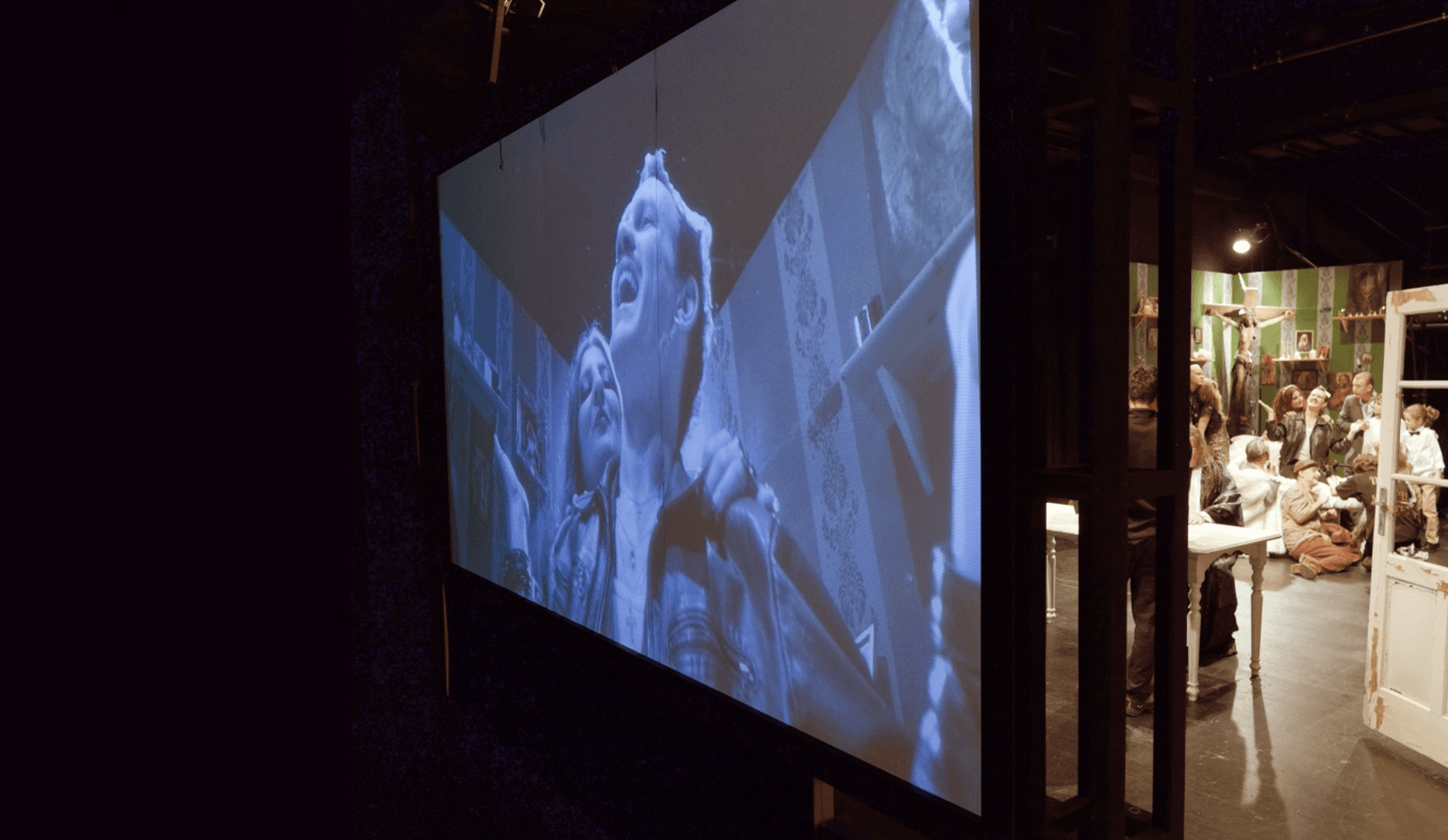
The idea for DZSANNI (originally: dzsanni, later GIANNI) was born from the vision of merging theater and film to create a new and original generic language — live film.
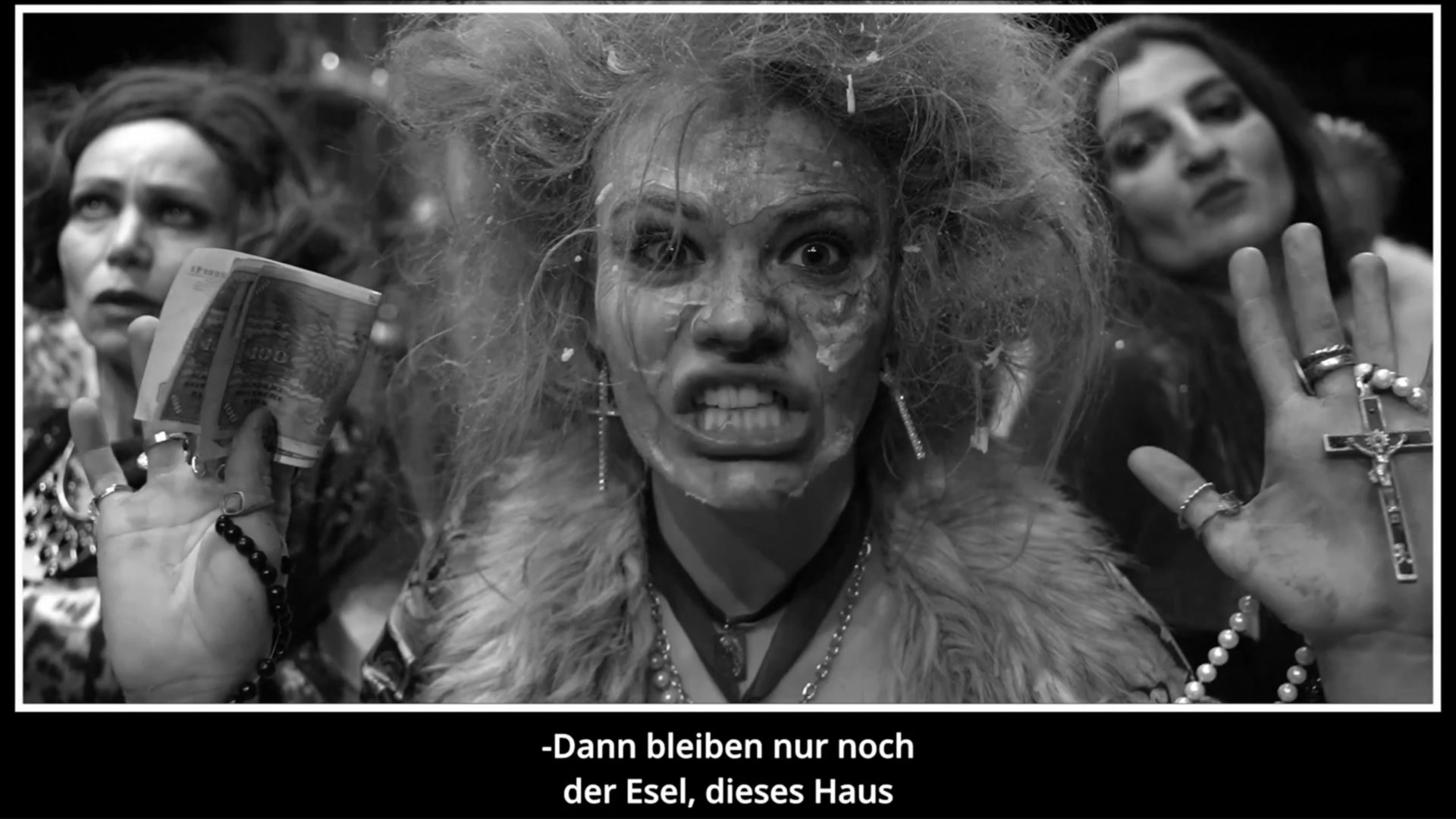
The artists follow the singing voices of the original Italian opera through silent articulation (lip-syncing), which can then be subtitled into any language. The interplay of various art forms, genre characteristics, and modern technologies creates a dynamic and sophisticated experience. DZSANNI opens up new, experimental possibilities in the fields of performing arts, filmmaking, and the international distribution of theatrical works. We stage the opera as a theatrical play with a richly composed visual world.
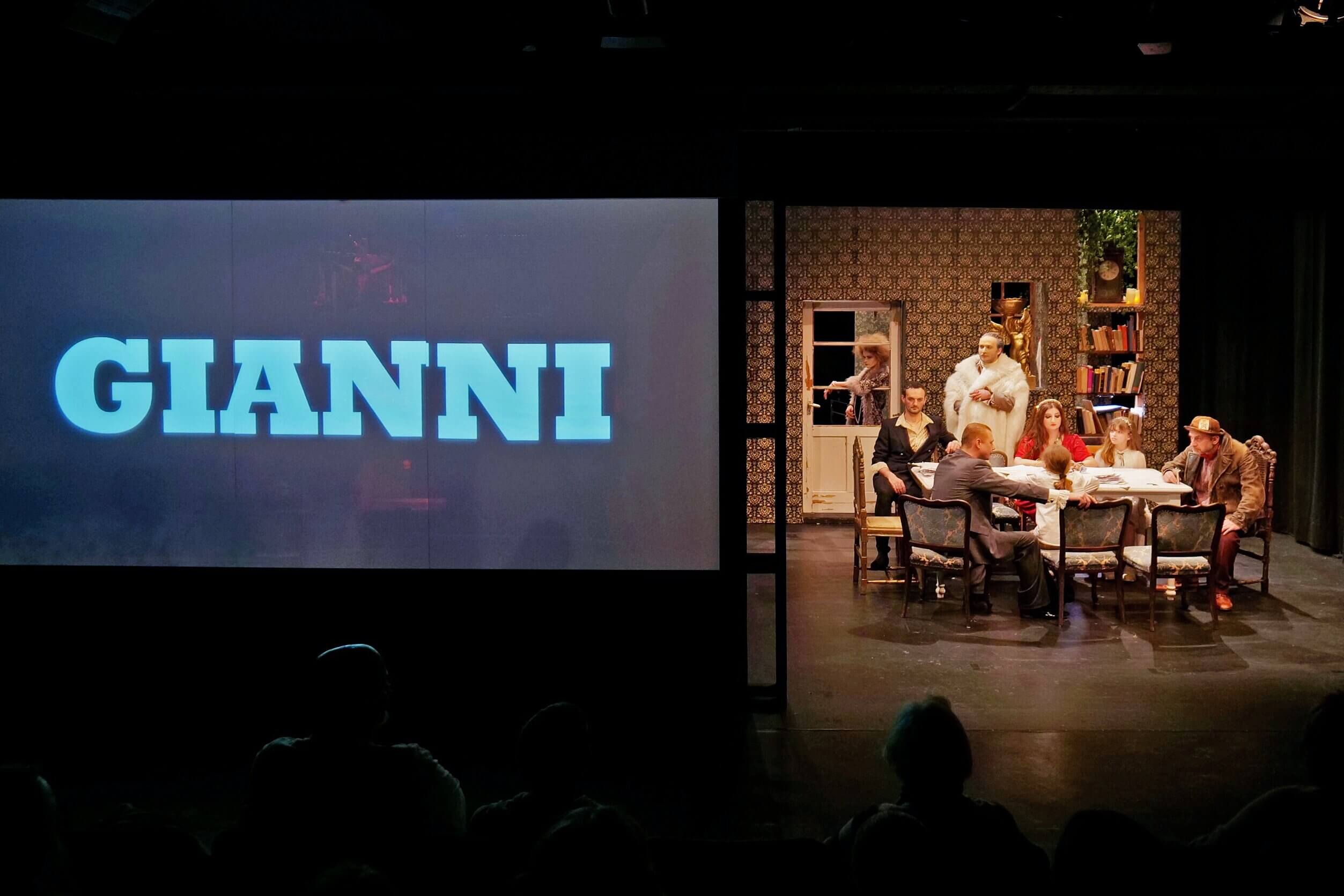
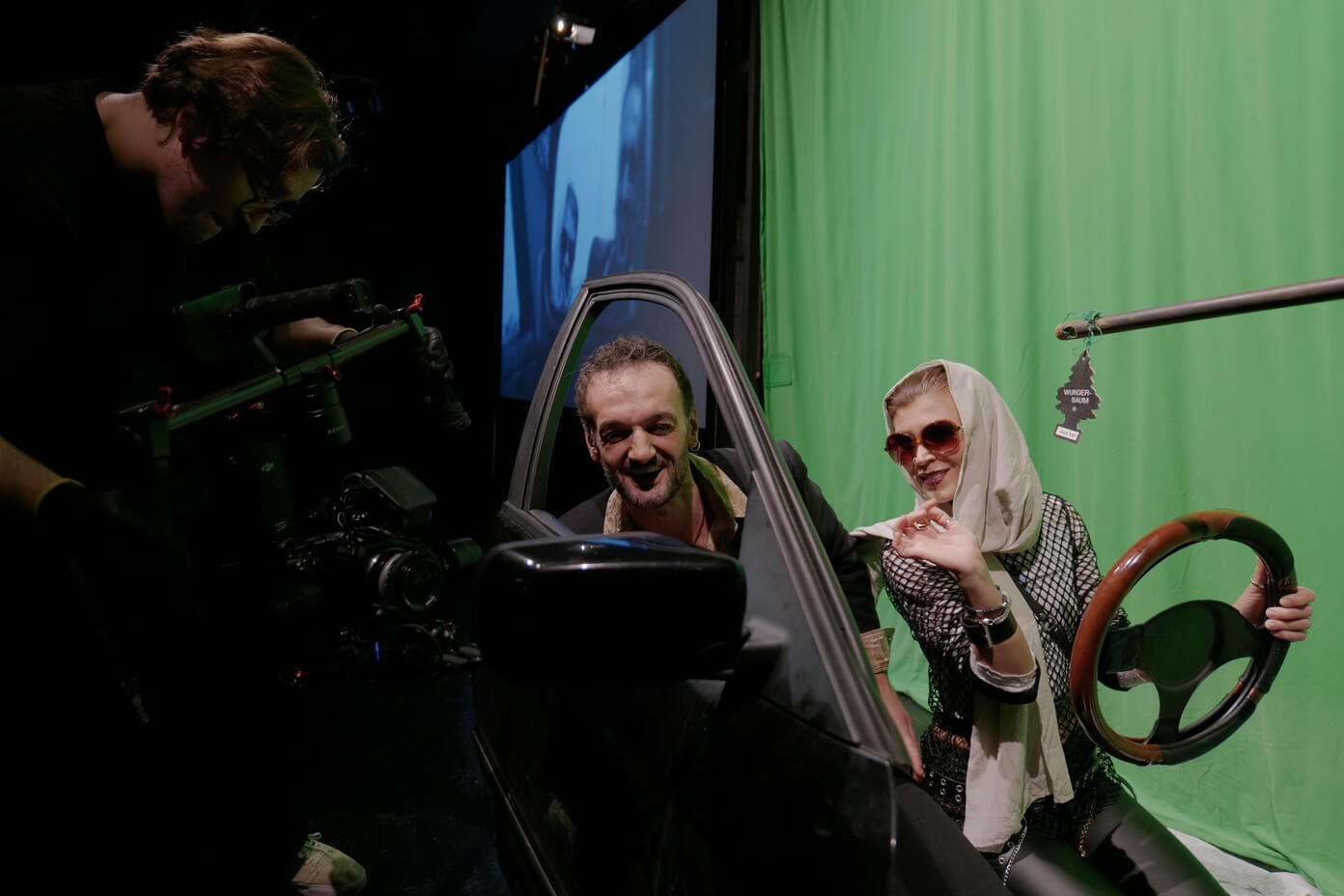
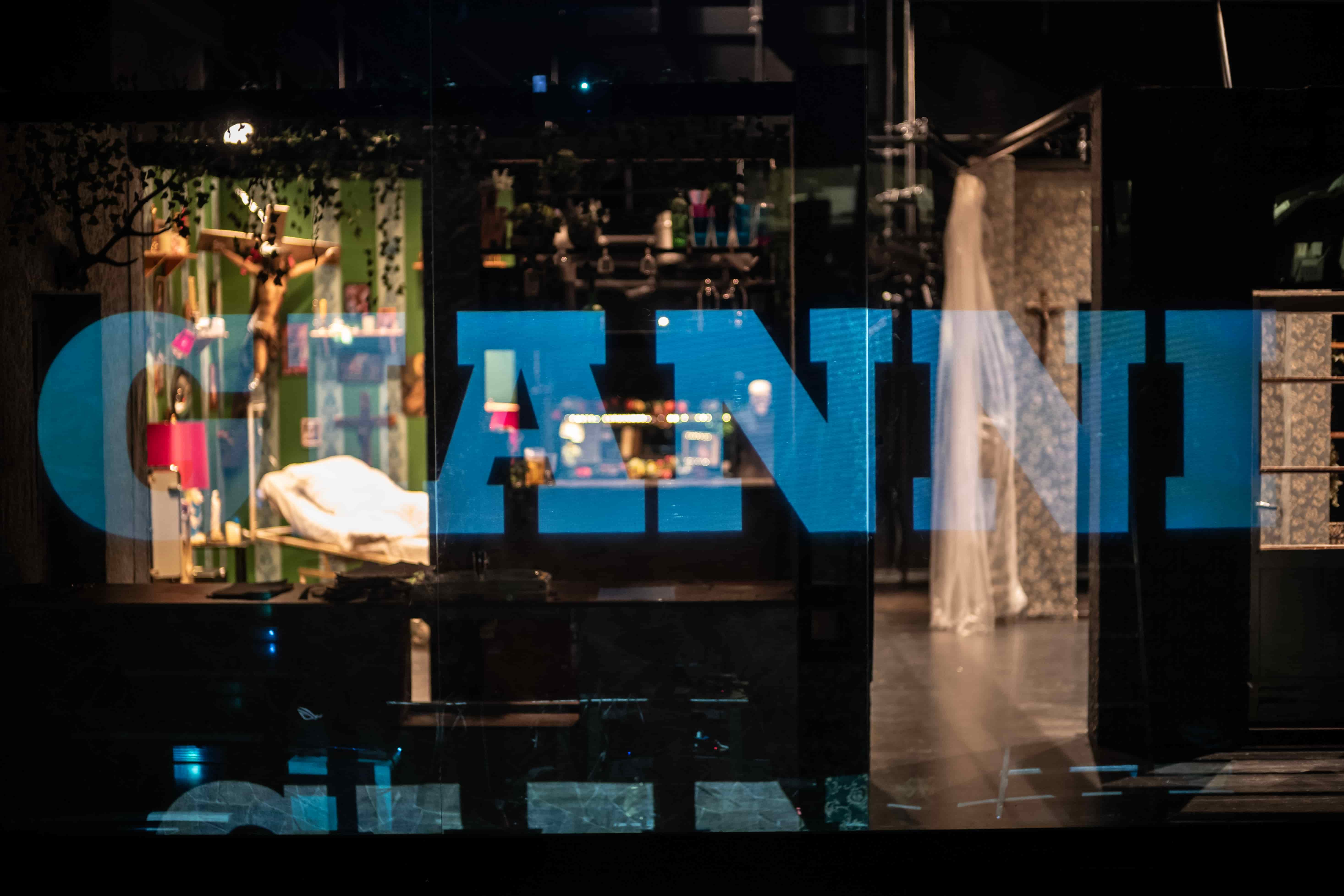
Simultaneously, we create — record, edit, and stream — a film live from the performance taking place on stage. All of this is streamed onto a projection screen with adjustable transparency that forms part of the set.
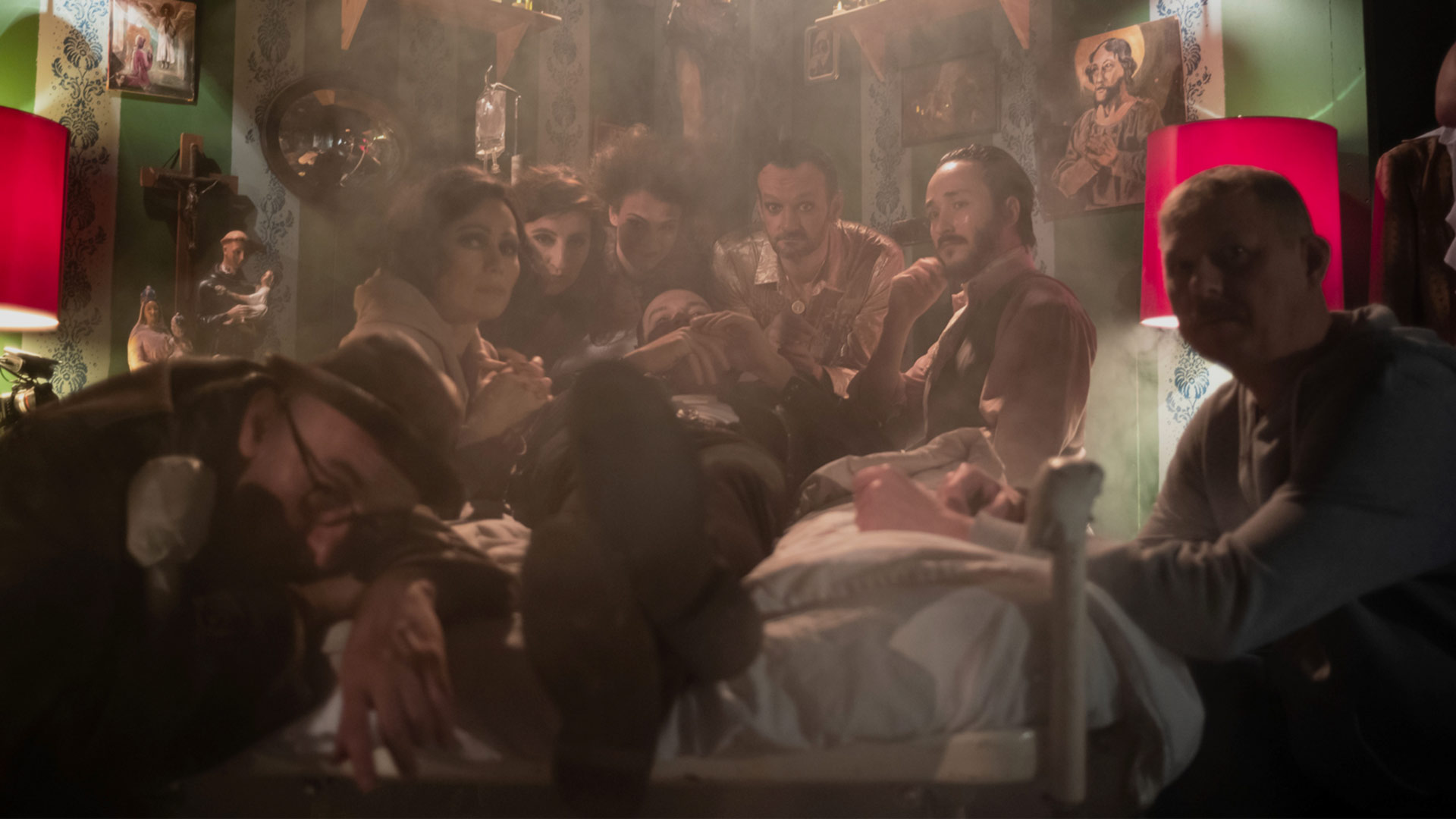
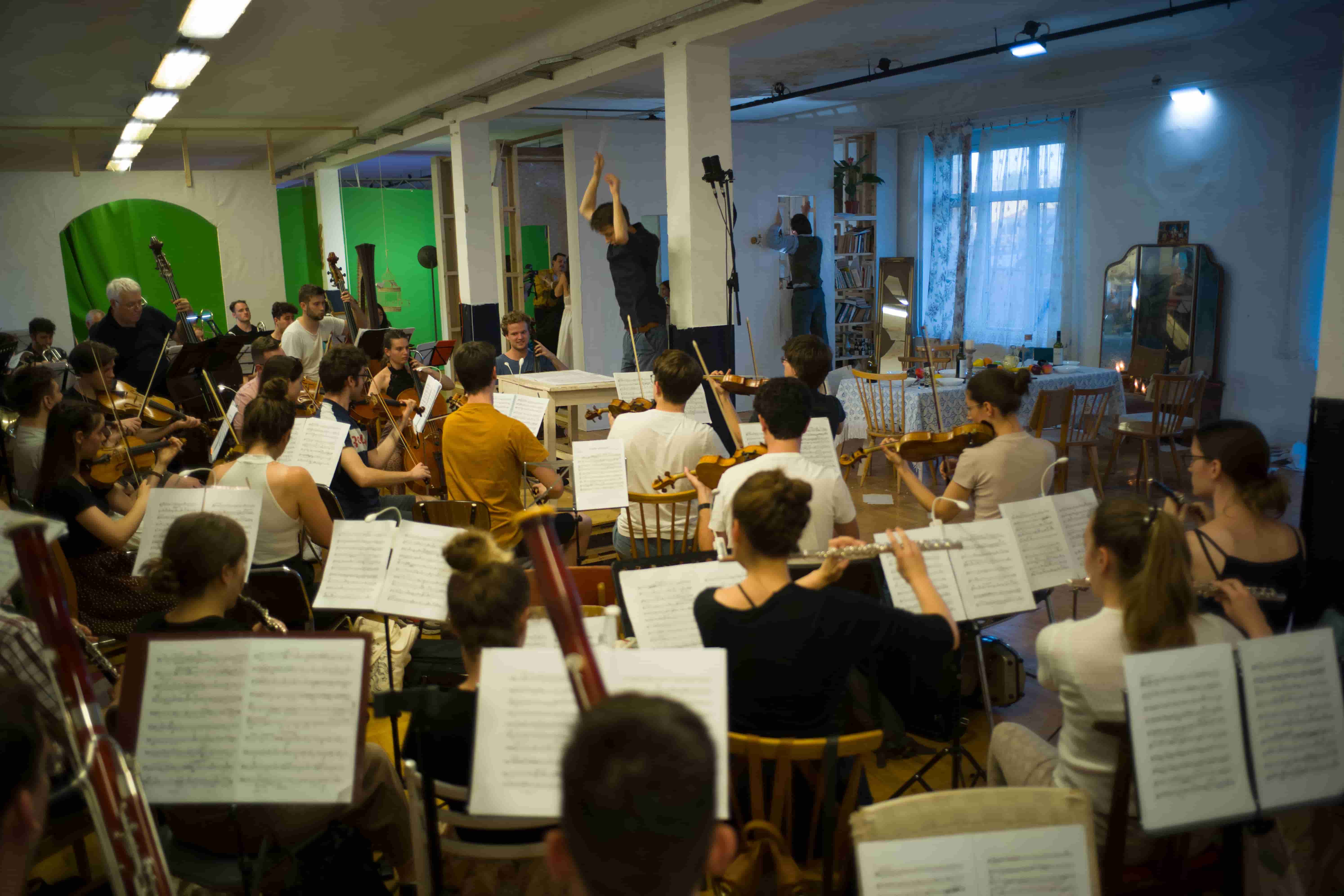
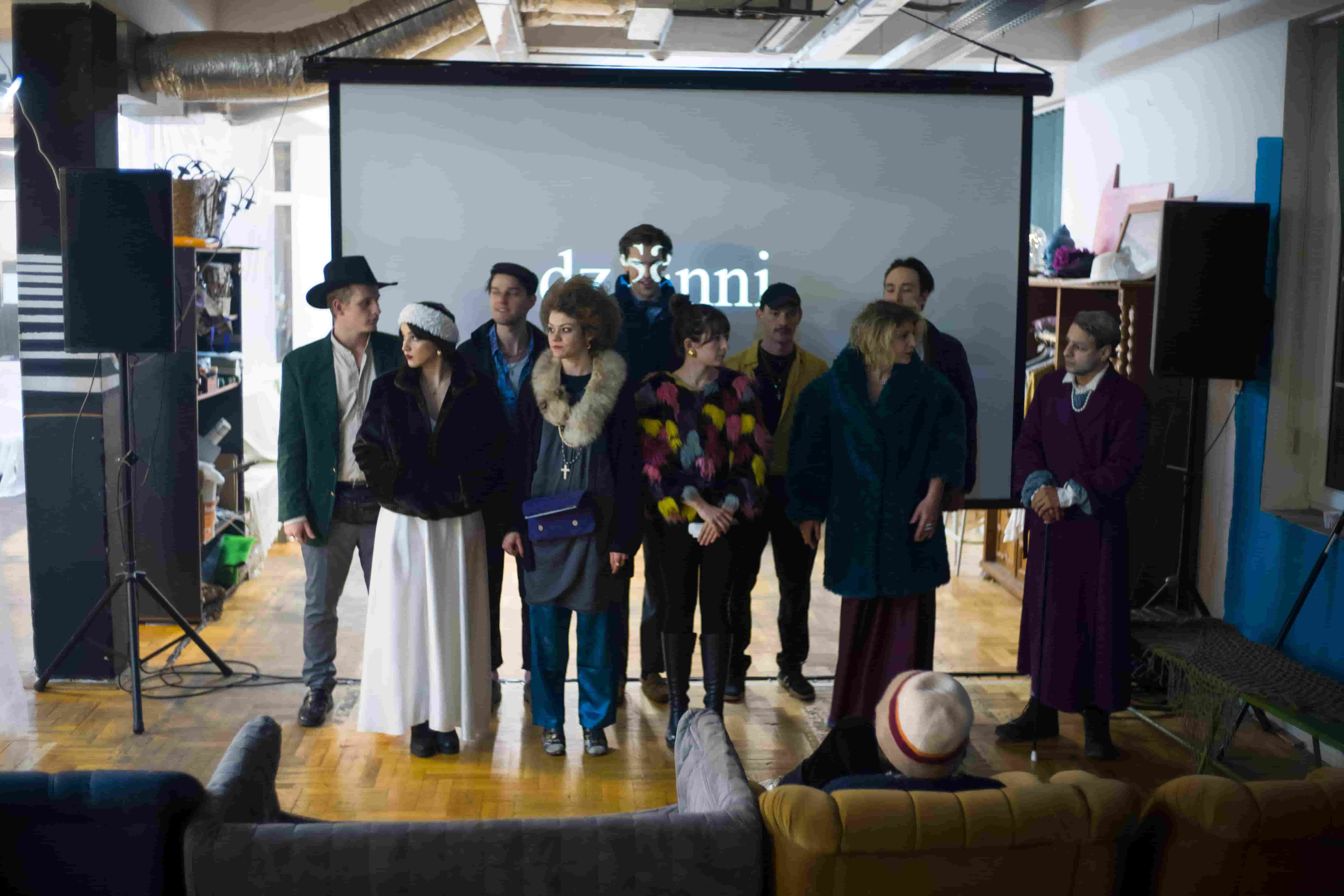
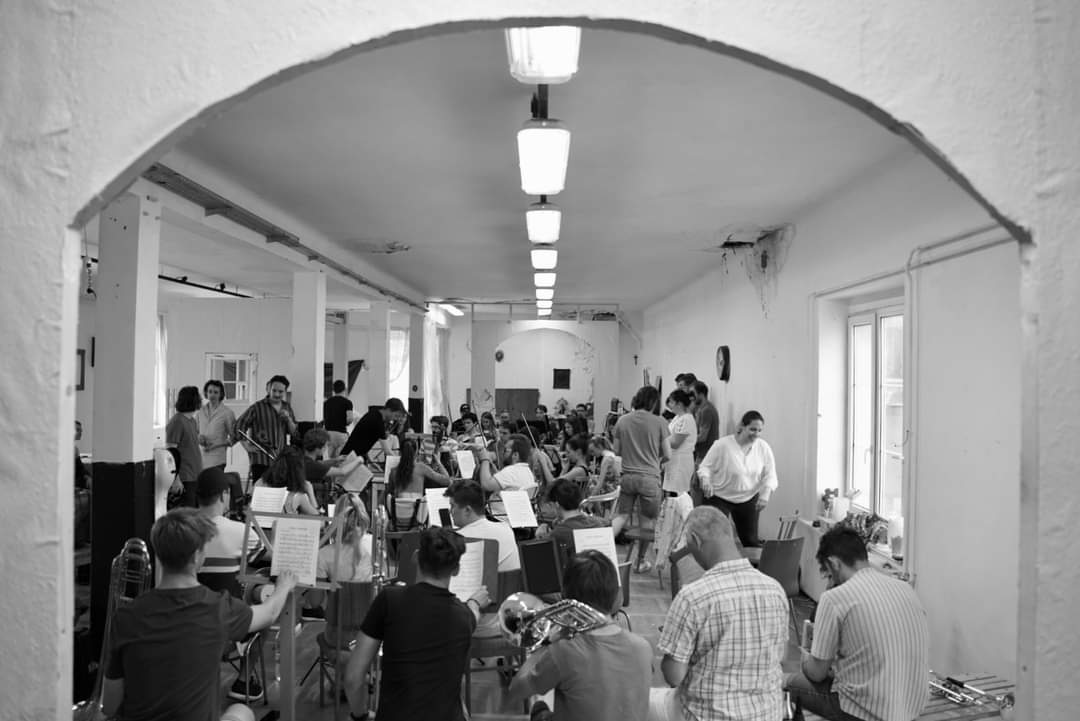
The first dzsanni was presented to an audience of 400 in the inner courtyard of a former salami factory, the Kőbánya Contemporary Cultural Center (4K). Puccini’s classic opera was performed by a symphony orchestra and opera singers, while the actors and crew filmed a movie from the opera, live.
We performed the show a total of 13 times in Kőbánya. Following this, at the invitation of László Bagossy, we presented it as a repertoire piece in co-production with Theater tri-bühne Stuttgart for two years — an additional 36 times. In 2024, we streamed GIANNI live from Stuttgart to a cinema hall at the Eger Chamber Opera Festival, while simultaneously performing for our German audience.
In March 2026, we presented the 50th performance of DZSANNI on the stage of the Katona József Theatre — reuniting the original Hungarian cast.
Synopsis
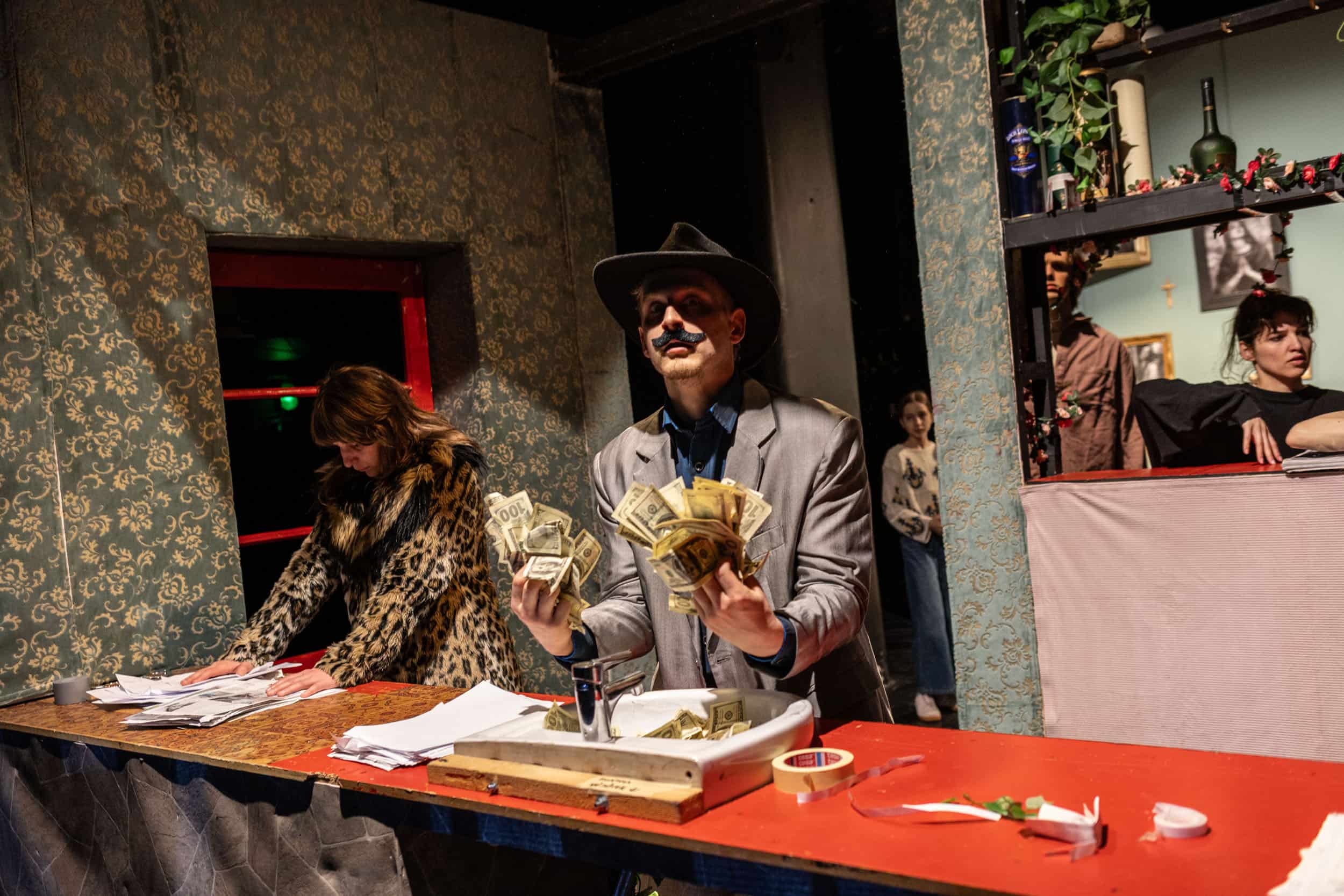
Buoso Donati, the Florentine billionaire, lies on his deathbed, surrounded by children, couples, and the elderly—all distant blood relatives. The wealthy aristocrat dies in the very first scene, prompting the relatives to perform their grief with exaggerated theatricality, as they all covet the hoped-for inheritance. However, the idyllic scene does not last long: news quickly spreads that the old man, out of fear, has left his entire fortune to the Church. The will is discovered in the house, and their worst suspicions are confirmed. It is then that Rinuccio calls upon the notorious swindler, Gianni Schicchi, for help. Disguising himself as the deceased, Schicchi signs the entire fortune over to his own name and then ruthlessly throws the relatives out onto the street.
Dates
March 8, 2026 / 19:00 (Katona József Theatre, Budapest) October 31, 2026 / 16:00 (Katona József Theatre, Budapest)

Press & Reviews
Buy Tickets
Our Supporters
We would like to thank Adrian Samudovszky, László Bagossy, Theater tri-bühne, Hungarian Two-Tailed Dog Party, Hungaroton Music Zrt., Rózsa Sándor Campaign-Waste Fund, ColorBar, Péter Farkas, NKA (National Cultural Fund), Marczibányi Square Cultural Center, Kőbánya Contemporary Cultural Center (4K), Anna Sebestyén, Boglárka Tajti, Tamás Falaty, Dániel Lang, Satöbbi Association, Tamás Perjési, Dr. Csaba Rezes, Tünde Szoboszlai, László Kalaszi, Bakony Búvárszivattyú Kft., Rezes Banda, Dr. Attila Sándor, Dr. Orsolya Antal, Katona József Theatre, TÁP Theatre, SPARKS Rental, and Judit Romwalter for their great ideas and kind assistance.